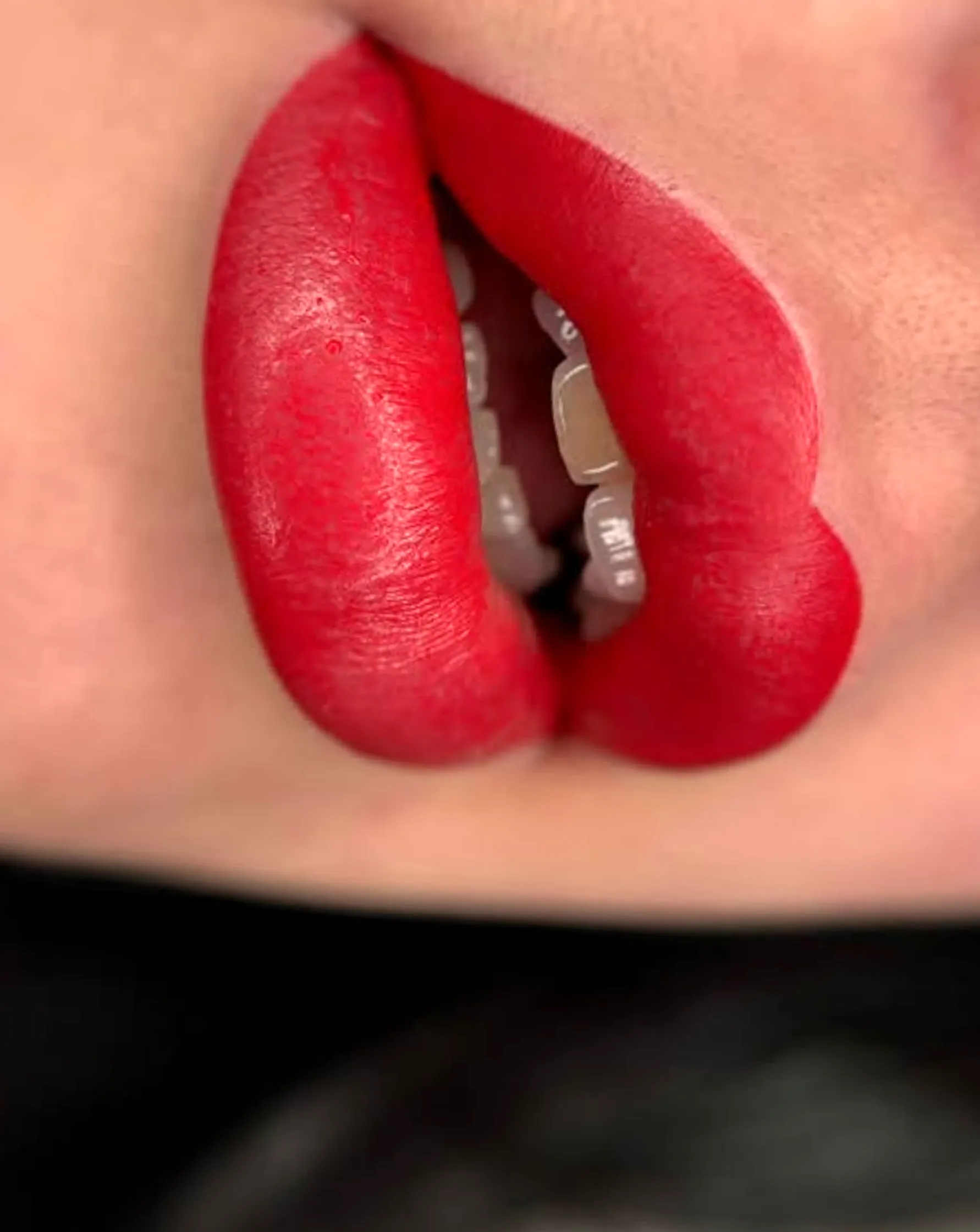
Do lip tattoos have side effects? It’s a question we get asked often in our Melbourne studio, especially when clients are weighing up whether lip blushing or a full cosmetic lip tattoo is the right move. While these procedures can save you time in your morning routine and cut down on your lipstick budget they’re not risk-free, and you deserve the full story before you book in.
In this guide, I’ll walk you through the possible side effects, what’s normal (and what’s not) and how to look after your pout post-treatment. No fluff, no sugar coating — just real advice from a tattoo artist who’s worked with hundreds of lips. If you’re considering cosmetic lip tattooing, make sure you’re also clear on the risks, healing and maintenance.
Why Your Lips Are Extra Sensitive
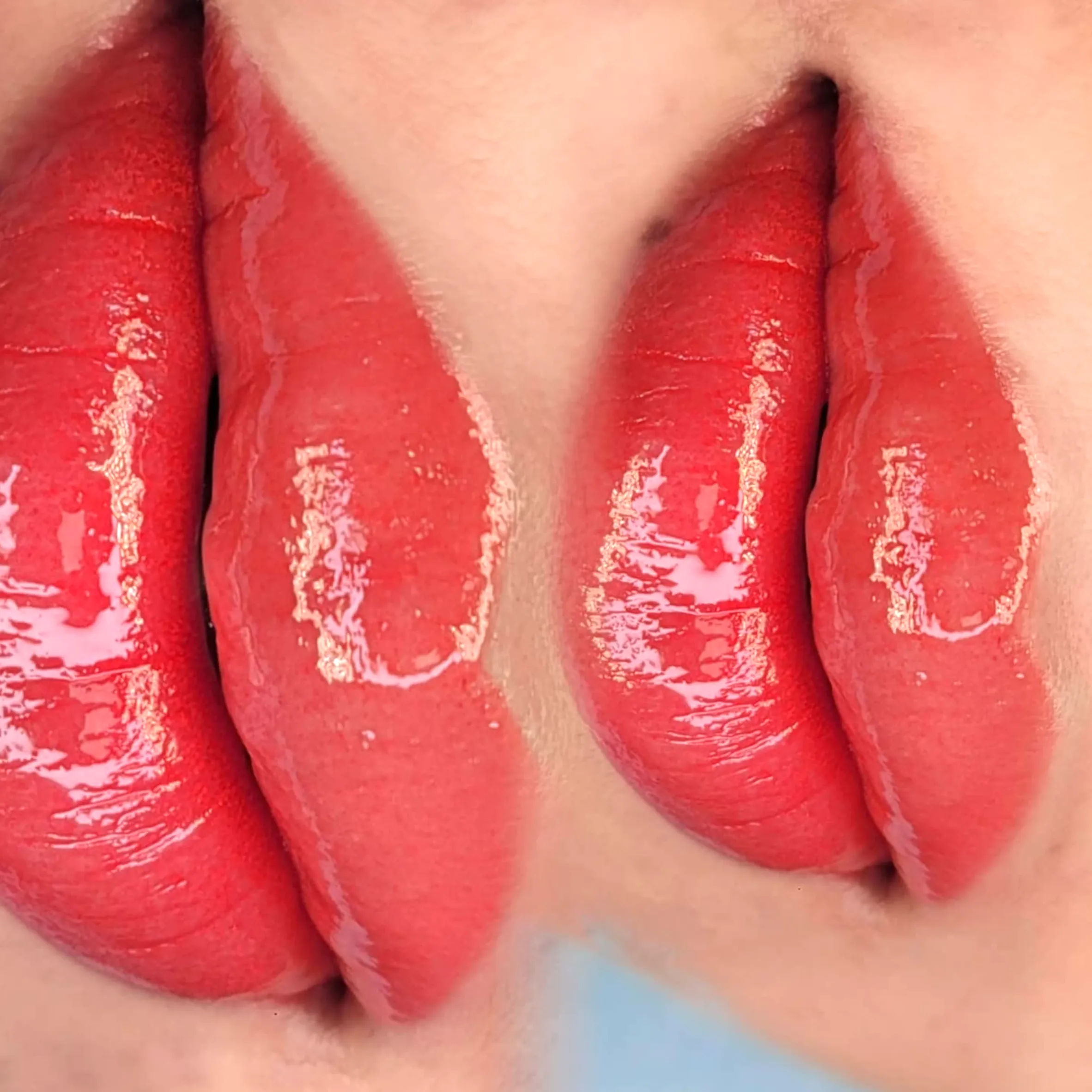
Lips aren’t like the rest of your skin — and that’s exactly why they need a little extra care.
The skin on your lips is thinner, more vascular and has fewer oil glands than the rest of your body. This means they:
- They are more prone to swelling and irritation
- Show signs of inflammation quicker
- Take longer to heal if not properly cared for
Because of this, even minor trauma (like tattoo needles or a cosmetic tattoo gun) can trigger reactions that wouldn’t happen on your arm or brow line. That’s why understanding the potential side effects of lip tattooing — and how to minimise them — is so important.
Common Reactions: What’s Normal
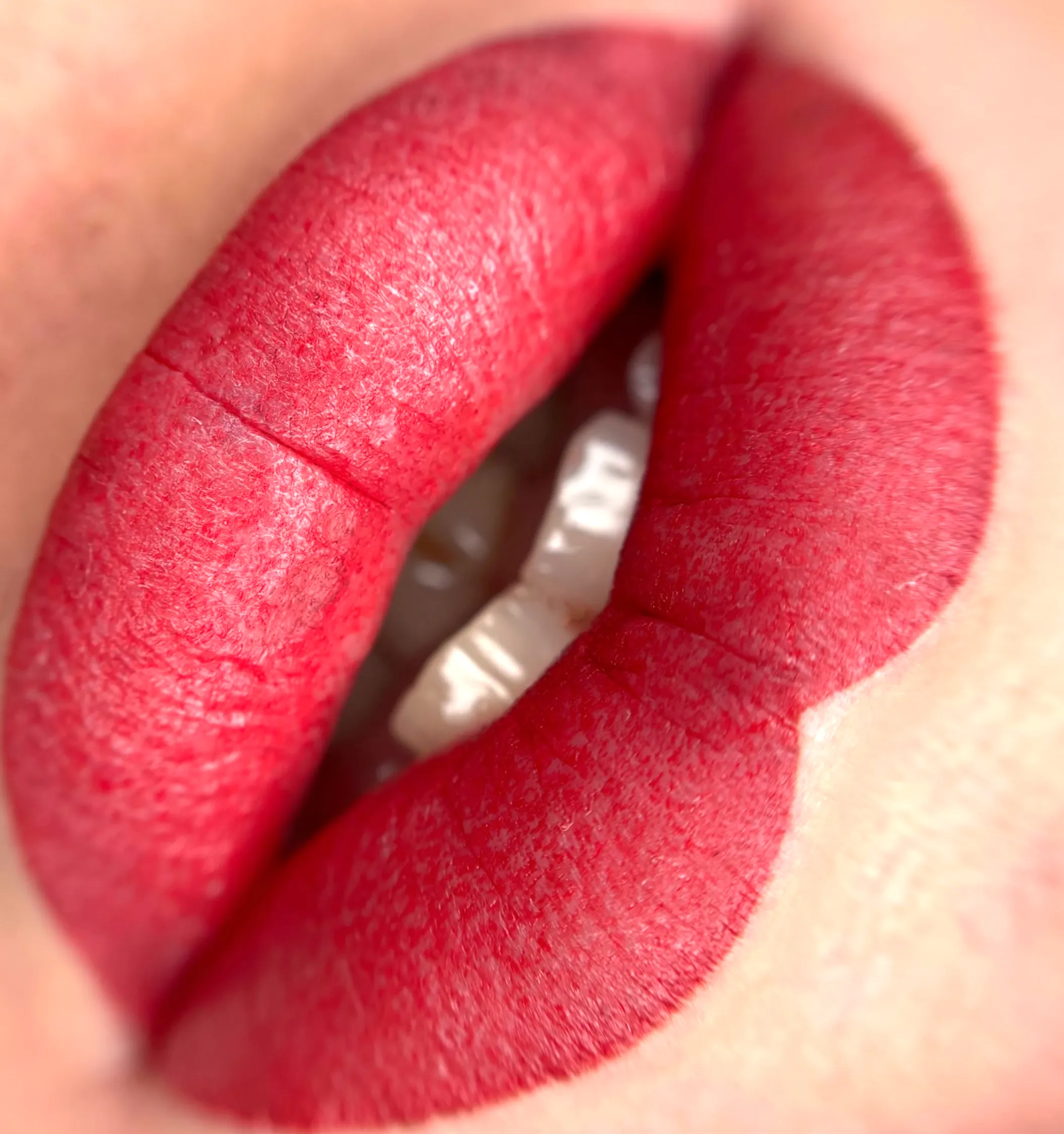
Let’s bust a myth: not every symptom after a lip tattoo means something’s gone wrong. Some side effects are just part of the healing process.
Here’s what we expect in most clients:
- Swelling: Usually mild to moderate, peaks within the first 24 hours. Cold compresses and lymphatic fluid drainage can help bring it down.
- Redness: A little redness is common, especially around the edges.
- Dryness or tightness: Your lips might feel dry or a bit leathery for a few days.
- Flaking or peeling: This usually kicks in around day 3–5. Don’t pick, just apply lip balm and let it shed naturally.
Many new artists learn to recognise these stages during lip tattoo courses, where proper aftercare and healing support are key focus areas.
Healing Timeline Table
| Day | What to Expect | What to Do |
|---|---|---|
| 1 | Swollen, bright colour, slightly sore | Cold compress, aftercare balm |
| 2–3 | Less swelling, lips may feel tight | Avoid spicy or hot drinks, and keep your lips clean |
| 4–5 | Flaking starts, colour appears patchy | No picking, gentle balm only |
| 6–7 | Flaking ends, softer tone emerges | Hydrate and protect from sun exposure |
| 8+ | Lips settle, true pigment begins to show | Continue with SPF lip balm |
So your symptoms match the table above, you’re good to go! But what if something doesn’t feel right?
Red Flags to Watch
Most semi-permanent tattoo treatments heal without drama, but it’s good to know the warning signs. These aren’t guaranteed to happen, but if they do, you’ll want to act fast.
1. Cold Sores (Even If You’ve Never Had One)
Lip tattooing can trigger a herpes simplex (cold sore) outbreak, especially if you’ve had one before. But even if you’ve never had visible fever blisters, the virus can be dormant and activate after trauma.
What to do:
- Tell your artist if you’ve ever had a cold sore.
- Take antiviral meds preventatively (usually 1–2 days before and after the procedure).
- Don’t share lip balms, lipsticks, or touch your lips with unwashed hands during healing.
Some clients book in for a Lip Liner Tattoo and don’t realise it carries the same risk — any tattooing around the mouth can trigger cold sores.
2. Allergic Reactions to Pigment or Topicals
Though rare, some people react to cosmetic pigment, tattoo ink or numbing cream. This might show up as:
- Persistent redness or itchiness beyond day 5
- Hives or rash around the mouth
- A burning sensation that gets worse over time
What to do:
- Ask your artist about patch testing or a patch test if you have sensitive skin or known allergies.
- Choose studios that use iron oxide or titanium dioxide-based pigments and medical-grade topicals.
- See a GP if symptoms get worse, especially if you notice blistering or oozing.
3. Uneven Pigment Retention
Not exactly a “side effect” in the medical sense, but still worth noting. Your lips might not hold pigment evenly, especially if:
- Your skin is dry or flaky
- You picked at scabs during healing
- You’re a smoker
What to do:
- Trust the touch-up process. A second session, 6–8 weeks later, is standard.
- Don’t freak out over patches in week one — colour will even out with time.
This is especially true with lip blush tattooing, where the final colour may take weeks to settle and show the intended soft gradient.
4. Over-Saturation or Colour Fading
Pigments can oxidise or fade due to:
- Your skin’s pH, cell turnover and undertone
- How well you follow aftercare instructions
- Sun exposure and product use
What to do:
- Avoid exfoliants, retinol or peels on or near the lips for at least 4 weeks.
- Use SPF balm daily — yes, even in winter.
- Talk to your artist during your colour boost if you want to adjust intensity or shade.
Choosing the right ink colour and technique for your individual lip shape will reduce the risk of unexpected fading.
Can You Prevent Side Effects?
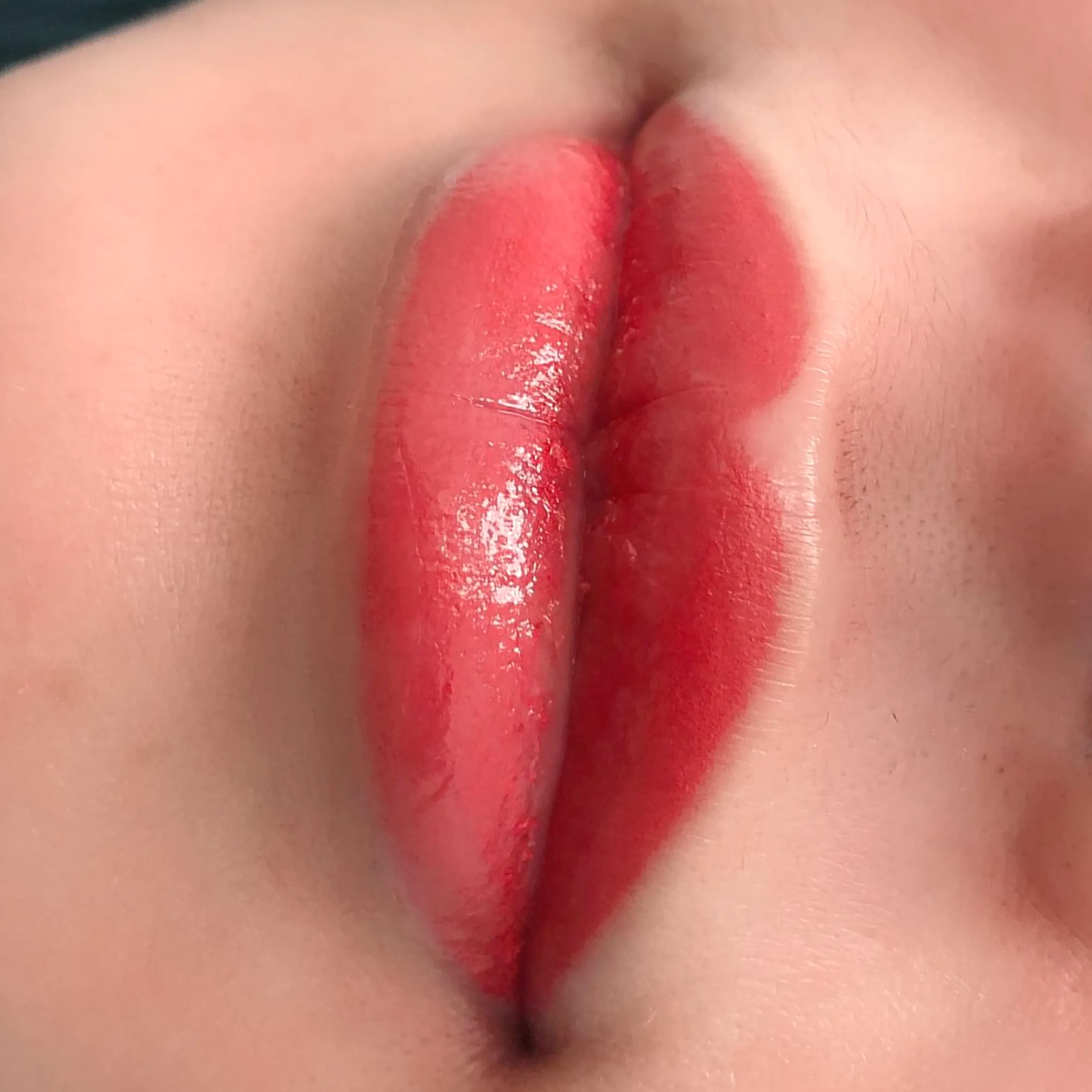
A little prep goes a long way. Here’s how we set clients up for success at our Melbourne cosmetic tattooing studio:
Before Your Appointment:
- Avoid alcohol and caffeine 24 hours prior (they can thin the blood).
- Stay hydrated and exfoliate gently 1–2 days before.
- Take preventative antivirals if prescribed.
- Skip lip fillers or lip augmentation for at least 4 weeks before and after your tattoo.
After Your Appointment:
- Apply healing balm as advised (we love simple, fragrance-free options).
- Keep lips clean, but don’t over-wash.
- Avoid heat, steam, spicy foods, or hot drinks for a week.
- Don’t apply makeup, lip pencils or skincare to your lips until they’re fully healed.
Real Talk: Melbourne Studio Insights
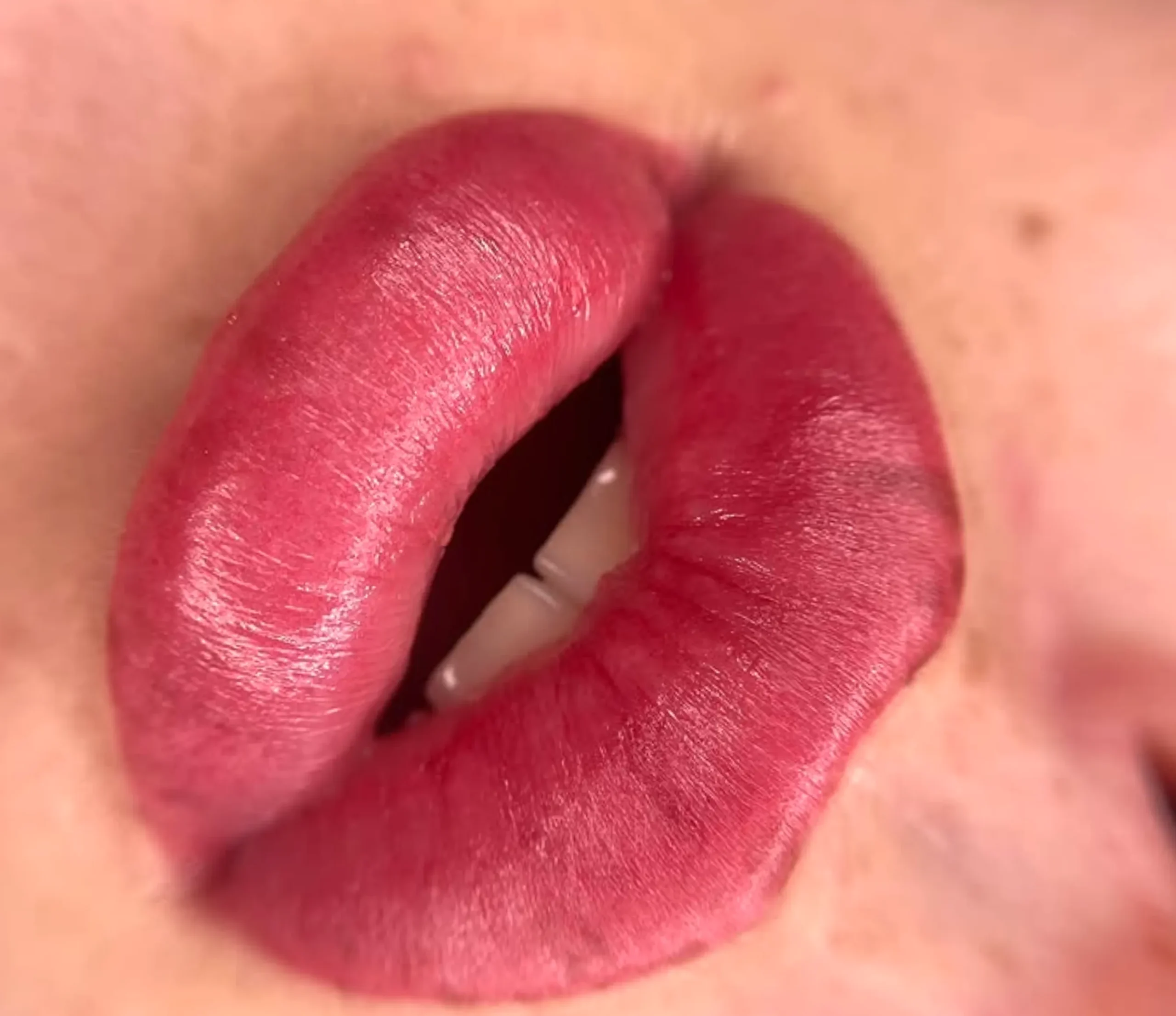
At Cosmetic Tattoo Studio Face Figurati in Melbourne, we’ve worked with every lip shape and skin type you can imagine — from fair skin prone to cold sores, to deeper complexions with melanin-rich undertones that need pigment tweaking using cosmetic tattoo technique and colour theory.
Here’s what we’ve noticed:
- Summer humidity in Melbourne can prolong swelling, so we adjust booking times around seasons.
- Mature lips may take longer to heal and hold lip colour differently — we’ll always tailor your plan.
- We use sterile, sterilised and disposable tools, including a mechanised needle, a sterile needle and a tattoo coil machine or cosmetic tattoo gun to ensure safety.
- All pigment implantation is done using a gentle cosmetic tattoo technique, not the old-school harsh tattoo gun style.
- We follow strict hygiene protocols to prevent blood-borne illnesses like hepatitis B and hepatitis C.
If you’re new to the industry and curious about how we achieve consistent, safe results, professional lip tattoo courses are a great way to build foundational knowledge.
And if you’re ever unsure about your healing, we’re just a message away. We’d rather you check in early than wait it out and worry.
Final Thought
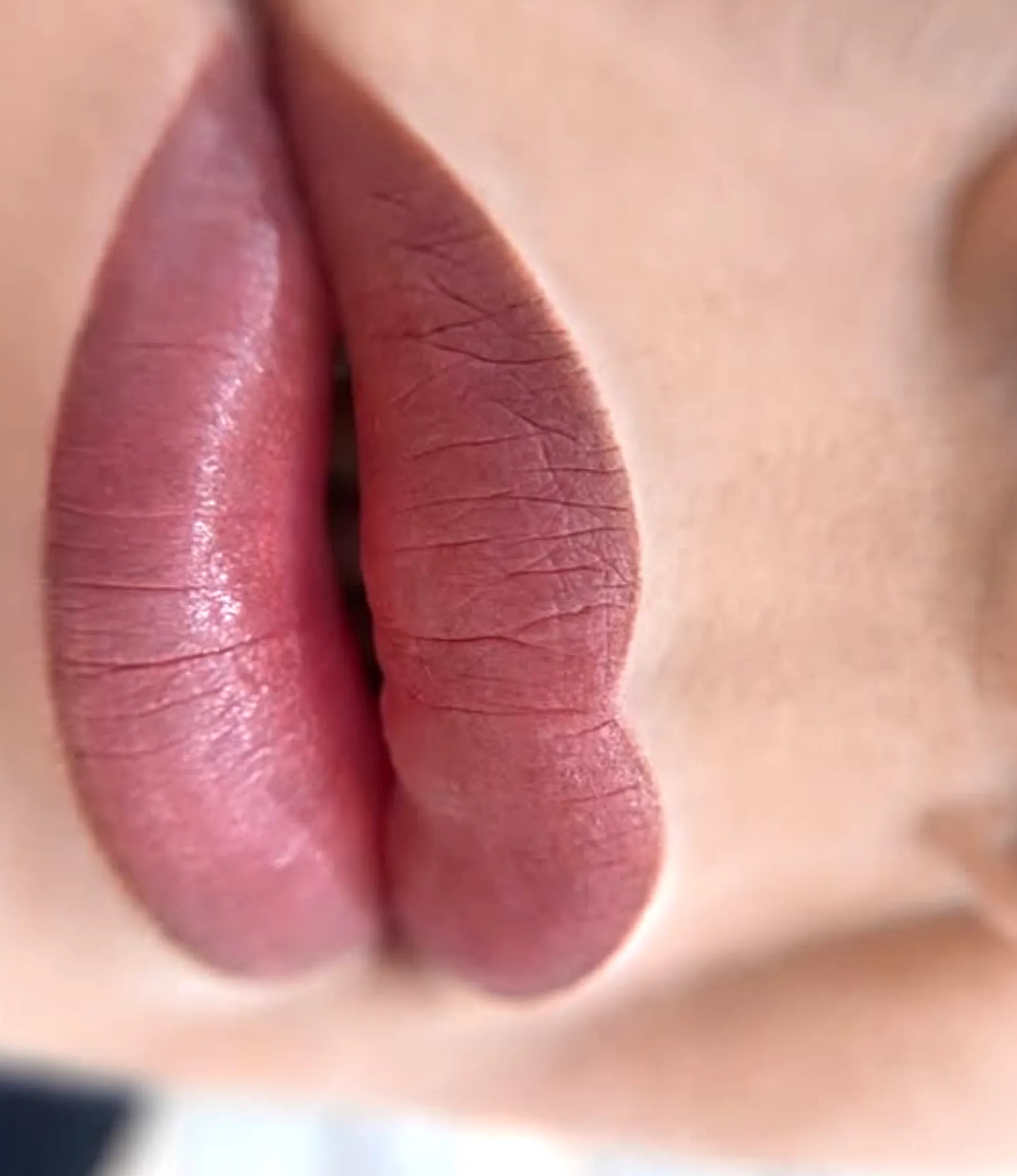
Short answer? No, but you should be informed.
Side effects from permanent makeup treatments like lip blush procedure or full lip colour service are usually mild, temporary and manageable when you’re working with an experienced lip blushing physician and following proper care. Most clients walk away with a gorgeous tint and a much easier beauty routine.
Whether you’re looking for a subtle tint, a defined border with a Lip Liner Tattoo or a full transformation with cosmetic lip tattooing, knowing the process helps you feel more in control.
But if something feels off? Don’t wait. A quick consult, GP visit or touch-up session can make all the difference.
FAQ
Can lip tattoos cause the damage?
When done correctly by a trained tattoo artist, lip tattoos do not cause permanent damage. Scarring or nerve disruption is extremely rare.
Is it normal for lip tattoos to itch?
Yes — some itching is part of the healing process. If it persists beyond a week or gets worse, check in with your artist or GP.
What if I get a cold sore after lip tattooing?
It’s a common reaction. Use antivirals and let your skin rest. Don’t spread it and follow your aftercare instructions.
Do some skin types react more than others?
Absolutely. Fair, sensitive or mature skin can be more reactive. Your artist should adjust the technique and ink colour accordingly.
How do I know if I’m allergic to the pigment?
You can request a patch test beforehand, especially if you have a history of allergic reactions to cosmetic pigment or topical products.