Kakadu National Park, in the Northern Territory of Australia and bordering Arnhem Land, is not just a beautiful national park—it’s a global treasure.
This cultural landscape has revealed some of the oldest evidence of human life on the Australian continent. From ancient rock shelters and Aboriginal rock art sites to fossils of giant animals, stone spear tips, and thriving wildlife, Kakadu is an archaeological and ecological wonderland. In this blog, we’ll explore the amazing rock art, cultural significance and unique finds that make Kakadu a must-see for travellers, researchers and those who want to connect with Australia’s ancestral lands.
Cultural and Natural Wonders
Kakadu National Park is a UNESCO World Heritage Site for its cultural and natural values. It’s one of the only places in the world dual-listed for biodiversity and Aboriginal cultural significance.
Researchers, ecologists and historians are still studying the area, with new discoveries still being made in Kakadu’s rugged terrain, wetlands and escarpments.
Ancient Aboriginal Rock Art
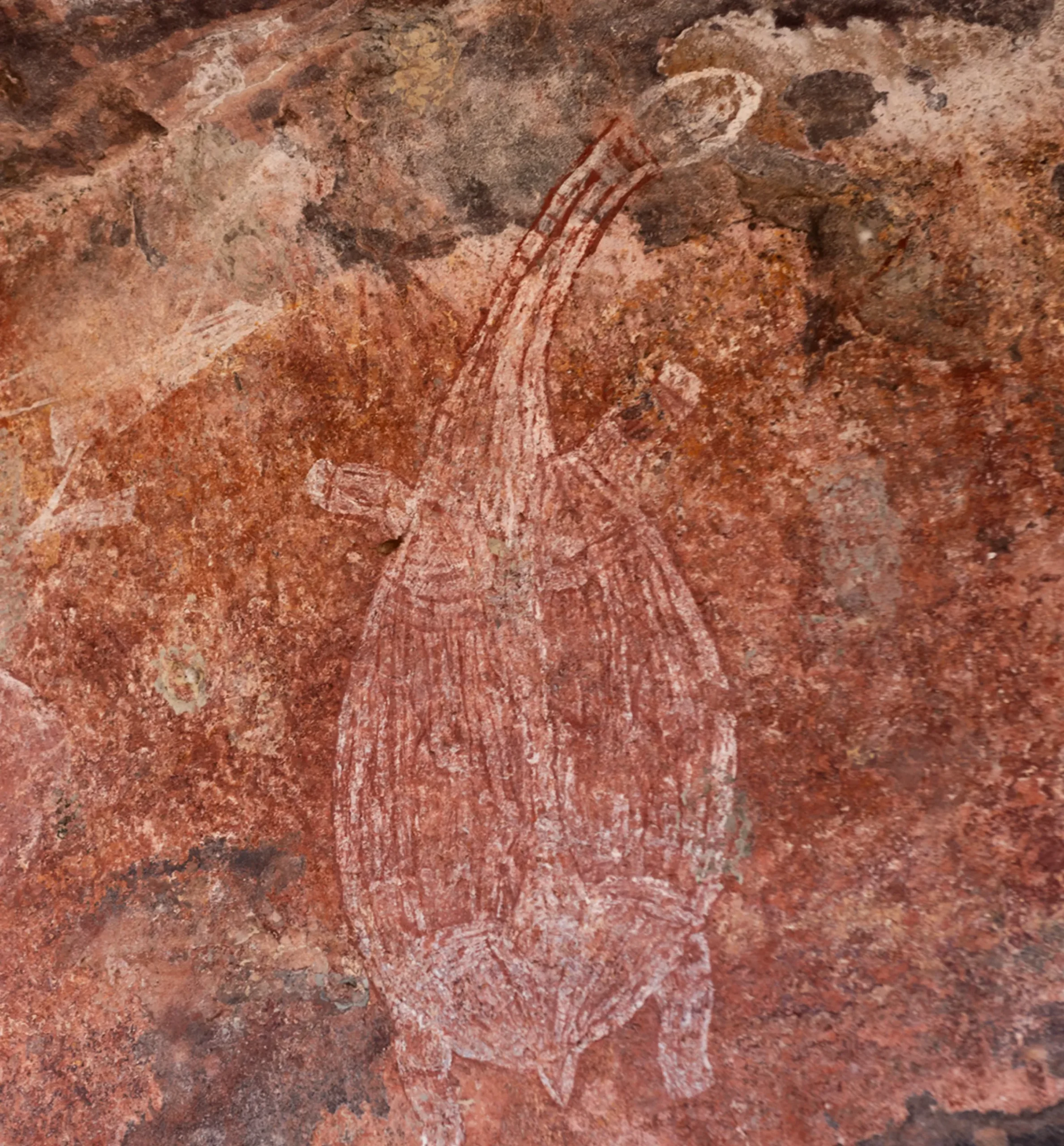
Kakadu has one of the highest concentrations of rock art in the world, with over 5,000 known rock art sites and many more to be found. These incredible artworks, including some at Nourlangie Rock (Burrungkuy) and Ubirr, are tens of thousands of years old and some of the oldest known Aboriginal rock paintings.
The traditional owners—the Bininj/Mungguy people—have maintained a strong connection to these sites, preserving knowledge through art, ceremony and oral history. Many artworks depict homo sapiens, animals, ancestral beings, hunting scenes and cultural continuity. Sites like Nourlangie Camp were once mining camps and later a tourist camp but are now protected and interpreted by Parks Australia through interpretive signage.
If you’re short on time, you can experience this amazing rock art through expertly guided Kakadu day tour,s which often visit the most popular rock art galleries
Fossils and Extinct Megafauna
Archaeological digs and scientific research have uncovered fossil remains of giant animals—Australia’s extinct megafauna. These include Diprotodons, massive marsupials; Genyornis, a large flightless bird; and even giant reptiles like Megalania, a supersized goanna.
These finds have helped us map Australia’s ecological past. Combined with archaeological evidence such as charcoal layers, tools and bones in rock shelters, they give us the oldest evidence of homo sapiens living alongside megafauna in this ancient landscape.
Many Kakadu National Park tours now include visits to areas where these fossils were found so you can experience deep time history.
Rare and Endemic Wildlife
Kakadu’s many habitats—from monsoon forests to beaches, rivers and floodplains—support an amazing array of wildlife. The Alligator Rivers, Adelaide River and Mary River systems are home to thriving ecosystems, while the famous Yellow Water Billabong is teeming with birds, crocs and fish.
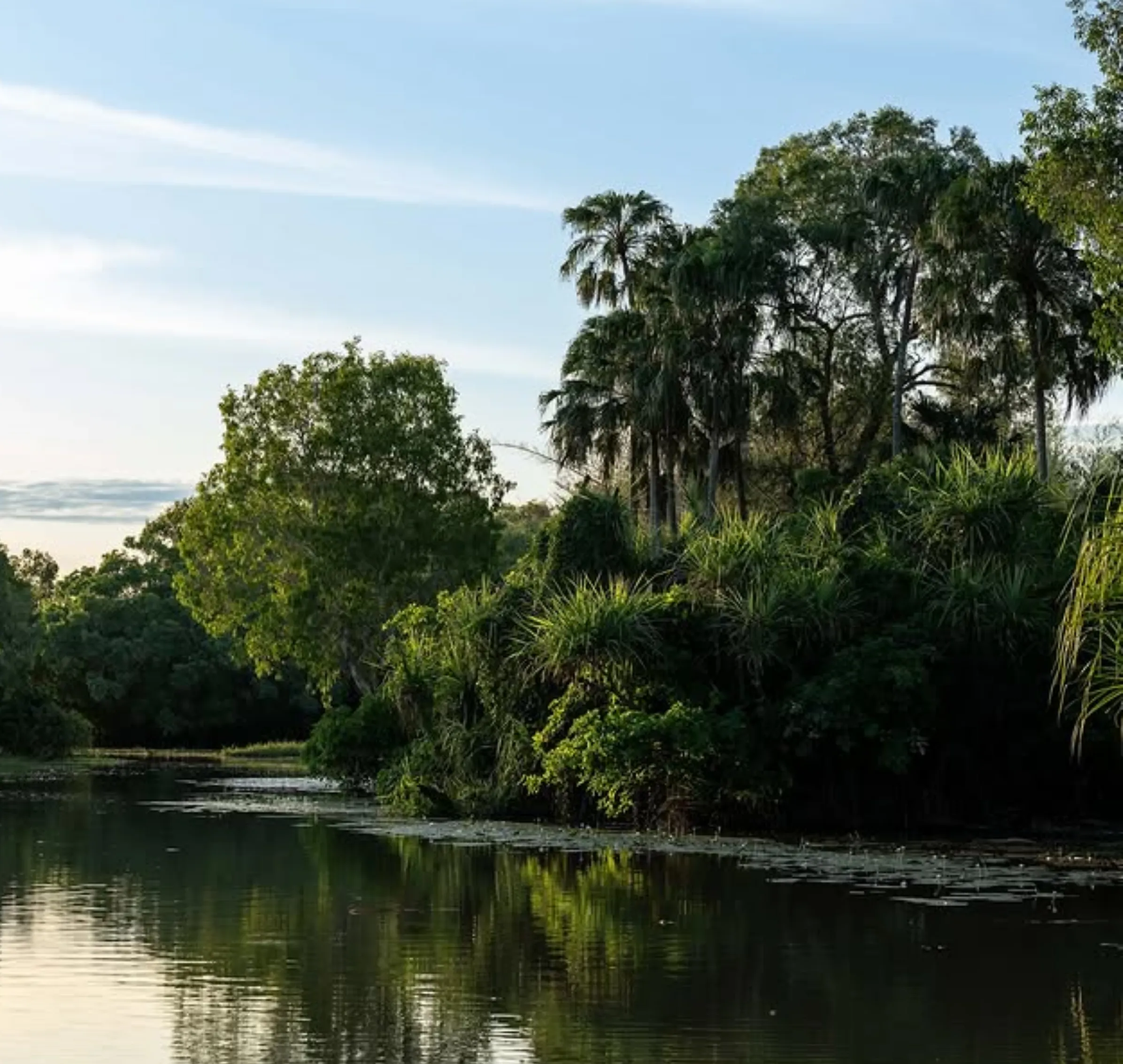
Endangered and endemic species like the Gouldian finch, Northern quoll and Leichhardt’s grasshopper live here, while saltwater crocs, once heavily impacted by crocodile hunting and crocodile shooting, now thrive. Other unique creatures include the elusive black wallaroo and rare insects sacred to Aboriginal lore.
Visitors often do day trips from Darwin to Kakadu to experience these habitats for themselves, so it’s an easy and unforgettable wildlife adventure.
Medicinal Plants and Bush Tucker
For the Aboriginal people of Kakadu, knowledge of bush tucker and medicine is part of an Aboriginal toolkit passed down through generations. Native plants like green plum, tea tree and bloodwood are used for medicine, while seasonal foods like goanna, yams, barramundi (from Barramundi Creek) and magpie geese are still harvested today.
These traditional practices are showcased in many Kakadu National Park tours, where guides explain how Indigenous communities use local flora for food and healing.
Sacred Sites and Ceremonial Grounds
Beyond the visible is the spiritual. Kakadu is full of sacred sites and ceremonial grounds deeply connected to Dreaming stories and ancestral lands. Many places are universally significant not just for their archaeological value but for their continued use in Indigenous spirituality.
The cultural significance of places like Cahills Crossing goes beyond being a river crossing; it’s also a site for traditional activities, from crocodile hunting to fishing and spiritual connection. Traditional owners still perform ceremonies and look after these sites, so the culture is very much alive.
To really get a sense of this depth, do a Darwin to Kakadu day trip that includes visits to sacred areas with local Indigenous guides who share the old stories and history.
Stone Tools and Artefacts
Tools such as spear tips, grinding stones, and scrapers found in rock shelters throughout Kakadu show a huge amount of sites dating back over 65,000 years. These artefacts demonstrate the ingenuity and innovation of early Australians who hunted, gathered and lived off the land with incredible skill.
Finds in areas like Pine Creek, Nourlangie Camp, and the surrounding escarpments indicate continuous occupation and sophisticated tool-making traditions.
If you’re looking for a quick escape from the city, Kakadu day tours are the way to go to see these artefacts and learn about their role in Australia’s oldest living culture.
Final Thoughts
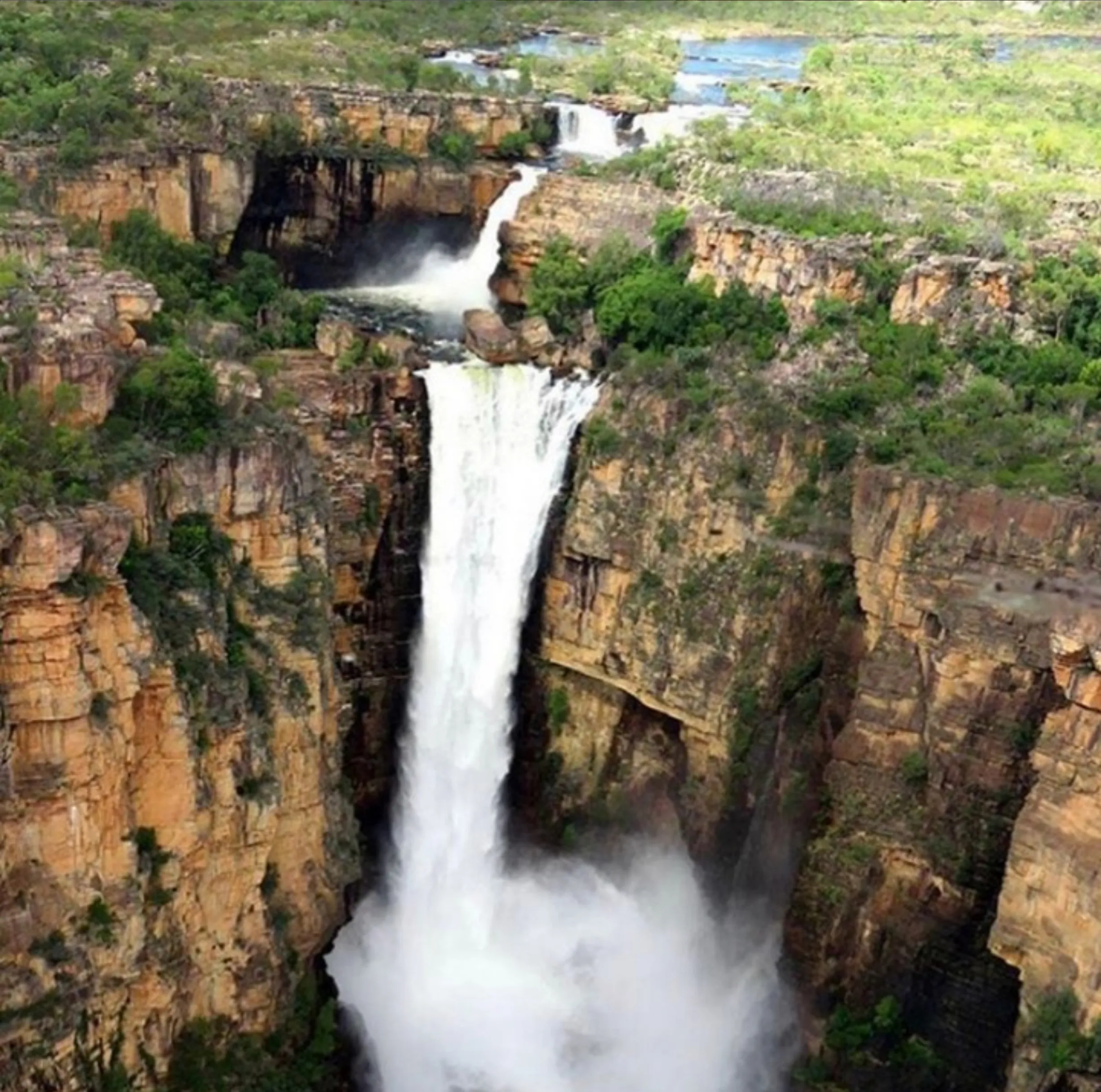
Whether you’re following in the footsteps of Aboriginal people, looking at rock art, exploring different habitats, or studying archaeological evidence, Kakadu is more than a national park – it’s a living archive of human history and ecological wonder.
Managed by Parks Australia and the traditional owners, this cultural landscape is a must-visit for those who want to understand Australia’s past and protect its future. Whether you’re from Western Australia, the Top End or abroad, Kakadu will deliver unforgettable moments and deep connections to this land’s spirit.
FAQ
What makes the rock art at Kakadu unique?
Kakadu has one of the highest concentrations of rock art in the world, including paintings in rock shelters like Nourlangie Rock and Ubirr, over 20,000 years of Aboriginal rock painting and cultural storytelling.
What animals were found as fossils at Kakadu?
Fossils of giant animals such as Diprotodons, Genyornis and giant goannas were found, supporting theories of earliest evidence of human-megafauna interaction.
What wildlife can be seen in Kakadu today?
You can see crocodiles, black wallaroos, Gouldian finches and even Leichhardt’s grasshopper across its wide range of animal species in areas like Yellow Water Billabong. Many of these are featured on Kakadu National Park tours.
How do traditional owners use the land for food and medicine?
For generations, traditional owners have used the land for bush tucker and medicine, collecting native plants, fruits and animals like barramundi, magpie geese and bush yams.
What is the cultural significance of Kakadu?
Kakadu is a living example of cultural continuity, you can see ancestral lands, sacred sites and long-standing traditions that have been preserved by Aboriginal people for over 65,000 years. You can experience many of these on short Kakadu day tours from Darwin.